You open a blank document, read the first sentence, then feel an almost physical pull toward something faster. A message. A search. A two-minute video. The work is not impossible, and you are not lazy. It simply feels too slow compared with everything that reached you in the last ten minutes.
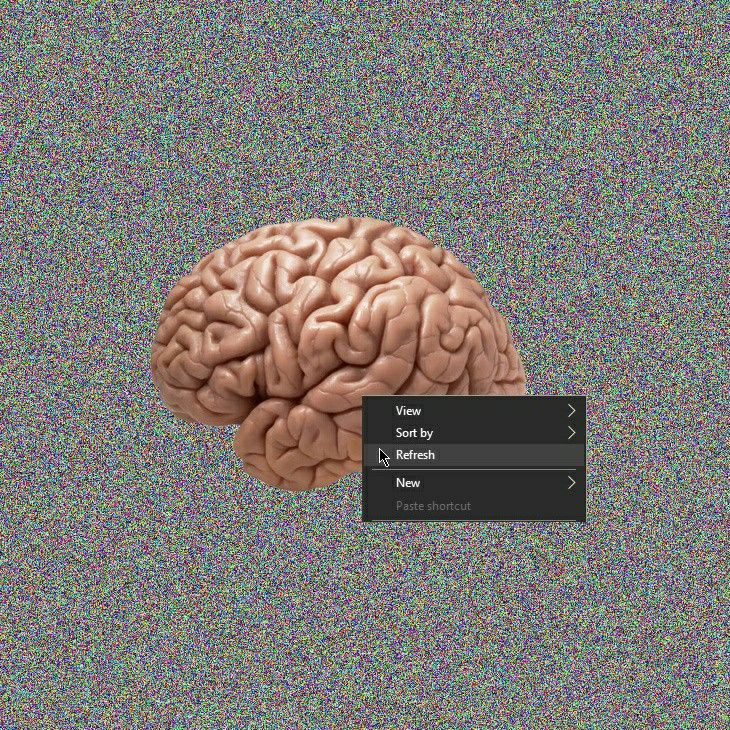
That restless state has a useful name: popcorn brain. It is not a medical diagnosis, and it does not mean your attention is permanently broken. It describes what happens when your mind gets used to rapid, high-novelty inputs and starts treating quiet, single-task work as under-stimulating.
The phrase is suddenly everywhere because the environment has changed. Short video, alerts, endless feeds, instant AI answers and chat windows all make switching cheap. The cost shows up later, when the ordinary pace of reading, planning or solving a difficult problem starts to feel intolerable.
What Does Popcorn Brain Actually Mean?
University of Washington researcher David Levy used the term for a mind so hooked on electronic multitasking that slower offline life holds little interest. That is a useful description, not a verdict. The problem is not that technology exists. The problem is that your attention keeps being trained to expect the next pop before the current thought has finished.
Popcorn brain is the mind being so hooked on electronic multitasking that the slower paced life offline holds no interest.David Levy, University of Washington Information School, 2011
Notice the mechanism. A fast feed does not merely take time. It teaches a rhythm: see, react, move on. A difficult email asks for the opposite rhythm: stay, decide, tolerate uncertainty, then make something. The first rhythm is easier to repeat, so it can begin to feel like the only one your brain wants.
That is why a bored moment matters. Boredom is often the small gap before your mind settles into a deeper task. If every gap is filled with a new input, you lose practice at crossing that gap. You do not become incapable of focus; you become rusty at the entry point.
Why Does Normal Work Feel Boring After Scrolling?
Focus has a switching cost. When you leave a task, part of your attention stays behind with it: the sentence you were forming, the decision you had not finished, the source you meant to check. Coming back means rebuilding that context. The work feels heavier because it now includes reorientation.
When we’re switching our attention so fast, this tank of resources that we have leaks because it requires additional effort to reorient to new tasks every time we switch.Gloria Mark, University of California, 2023
This is also why more stimulation can create less satisfying output. The feed gives you many tiny completions: a new clip, a new opinion, a new answer. Real work delays that reward. You may need fifteen quiet minutes before an outline makes sense, or an hour before a design stops looking obvious. If you only judge work by how quickly it rewards you, you will abandon the work that compounds.
AI adds a modern version of the same temptation. Used well, it can reduce admin, clarify a messy plan and return time to real thinking. Used as an instant substitute for every hard first draft, it can remove the useful struggle where you form a view. The rule is not “do everything yourself.” It is keep ownership of the question, the judgement and the final decision.
The Attention Reset: Make Switching Less Automatic
Do not begin with an unrealistic digital detox. Start by changing one transition: the moment between feeling friction and reaching for a new input. Put the phone beyond arm’s reach before the task begins. Close the feed rather than leaving it behind a tab. Write the next physical action where you can see it: “read page three,” “name three options,” or “draft the first ugly paragraph.”
Then choose a deliberately small focus rep. Fifteen minutes is enough if your attention has been fragmented. The target is not heroic concentration. The target is proving that you can feel the urge to switch, leave it unanswered, and keep moving through one visible action. A small completed rep gives your brain evidence that slower work still pays.
When the timer ends, take a real break. Stand up, drink water, look outside, or walk for two minutes. Do not replace the break with a feed, because the feed turns recovery into another set of cues competing for your attention. The difference is subtle: a break lowers stimulation; scrolling changes the channel and keeps the engine running.
Use Technology on Purpose, Not by Reflex
The useful distinction is not screen time versus no screen time. Recent research calls the healthier pattern digital balance: purposeful, goal-directed use with awareness and boundaries, rather than passive use triggered by cues. A calendar, a blocker, a note app or Rize AI can protect attention when it reduces decisions and gives the next action a place. A feed opened because there was one uncomfortable second does the opposite.
Before you open any tool, ask one blunt question: “What am I here to finish?” If you can name the outcome, use the tool and leave when it is done. If you cannot name it, you are probably looking for stimulation rather than support. That question adds one second of friction. Often, one second is enough.
Build a Day That Does Not Keep Re-Starting
The deeper fix is architectural. A day with no protected boundaries asks your attention to renegotiate every few minutes: should I reply, check, search, switch, or start again? Each tiny decision gives the fastest option an advantage. Put the work that requires thought on the calendar before the day fills with other people’s demands, and give messages a defined window instead of permanent access.
This is where a schedule becomes more than a list. A list tells you that ten things matter. A calendar forces an honest question: when will one of them receive your undivided attention? Rize AI can help place that block around your real commitments, but the block still needs one rule: it is for making progress, not for waiting until focus magically arrives.
Expect the first few returns to feel awkward. That is not evidence the rule has failed. It is the sensation of leaving a high-speed environment and discovering that meaningful work has a slower opening pace. Stay long enough to reach the first useful thought. Once you do, the urge to switch usually loses some of its authority.
Try the Five-Day Slow Work Test
For five workdays, protect one fifteen-minute block before your first feed, news check or unnecessary message. Pick one meaningful task and write its next physical action the night before. Keep your phone away. When you feel the pull to switch, make a tiny mark on paper and return without judging yourself.
At the end of each block, record only three things: how many urges appeared, whether the next action stayed clear, and whether starting tomorrow feels easier or harder. Do not measure your worth by the number of urges. You are measuring the conditions that make returning possible. After five days, extend the block only if you can start without a negotiation.
What Not to Copy
Do not turn this into a purity contest. You do not need a silent cabin, a dumb phone, or a ban on AI to think well. Those may suit some people, but the transferable rule is smaller: remove the inputs that hijack the exact block where you need to think, then use technology deliberately once the work has a clear purpose.
If restlessness feels severe, is affecting sleep or daily functioning, or sits alongside anxiety, depression or ADHD symptoms, do not diagnose yourself from a productivity article. A qualified clinician can help you understand the bigger picture. This reset is for ordinary attention friction, not a replacement for care.
- Write one next action before you begin. A visible move removes the vague feeling that invites a quick escape.
- Move the phone for the whole focus rep. Distance is more reliable than a promise to ignore it.
- Mark the urge instead of obeying it. One small mark turns automatic switching into evidence you can change.
- End with the next starting point. Leave tomorrow’s first action visible before you close the task.
The rules worth keeping
Popcorn brain is a learned appetite for rapid switching, not proof that you cannot focus.
The first quiet minutes of a task are where most switching begins.
Fifteen clean minutes rebuilds trust better than an ambitious plan you avoid.
Use breaks that lower stimulation instead of feeding the switching loop.
Keep ownership of the question and judgement, even when technology helps with the work.