At 11:32 AM, the decision is still open because every spare minute has been spent responding to what arrived. The calendar is full, the inbox is moving, and there has been no quiet enough to ask what the decision will cost in a year.
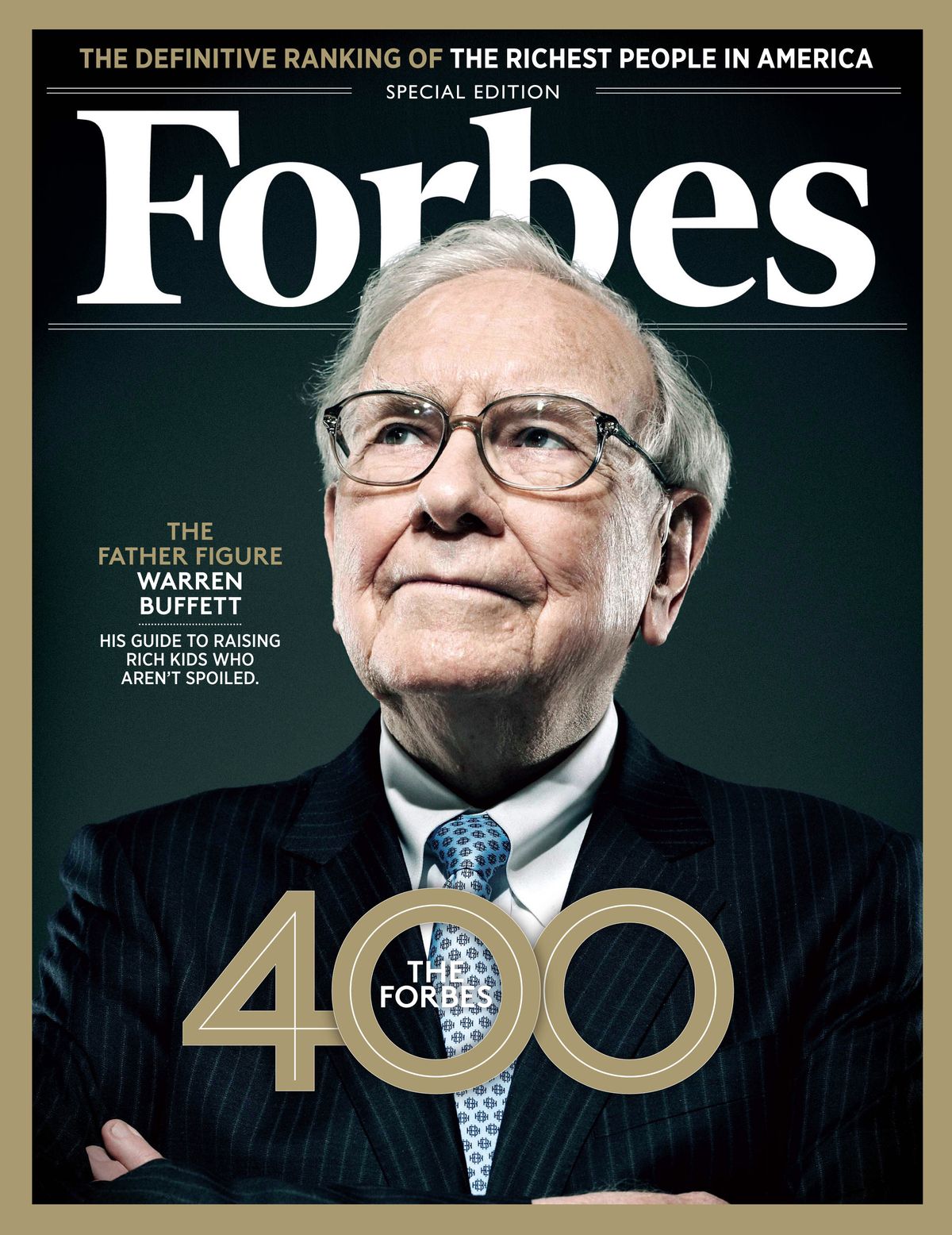
Warren Buffett’s useful habit is not reading for a mythical percentage of the day. It is refusing to let constant motion replace independent thought.
His system protects empty space long enough for the important question to become clearer than the urgent request.
The Rule Behind Buffett’s Routine
Buffett reads broadly, thinks slowly, and makes relatively few major decisions. The point is not to copy an investor’s quiet office; it is to stop confusing a full calendar with a mind that has done its work.
Reading gives him raw material. Thinking tests it against consequence, patience, and what he already understands. The combination matters more than the volume of pages.
I insist on a lot of time being spent, almost every day, to just sit and think. I read and think. So I do more reading and thinking, and make less impulse decisions than most people in business.Warren Buffett, University of Florida business school talk, 1998
The Central Model: Fewer, Better Decisions
A crowded day creates a bias toward whatever can be closed quickly. Buffett’s routine creates the opposite bias: wait for the decision that is actually worth making, then give it enough attention to see beyond today’s noise.
This does not mean delaying every decision. It means separating decisions that need a response from decisions that can change the trajectory of a project, career, or investment.
Why Saying No Protects Thinking
Every extra meeting, reactive call, and low-consequence commitment spends the same attention the meaningful decision needs. Buffett’s empty calendar is a filter, not an absence of ambition.
The practical question is not “Can I fit this in?” It is “What useful thinking time disappears if I say yes?”
The difference between successful people and really successful people is that really successful people say no to almost everything.Warren Buffett, University of Florida business school talk, 1998
What Not to Copy
Do not copy Buffett’s calendar literally or use reading as a sophisticated way to avoid action. Most people need collaboration, execution, and faster decisions than an investor managing capital for decades.
Copy the boundary instead: give high-consequence choices enough room to be considered before they become urgent.
Run a Seven-Day Decision Margin Test
For seven days, protect one 30-minute thinking block for a decision, problem, or piece of reading that has been crowded out. Keep the phone away and enter with one written question, not a blank invitation to overthink.
Use Rize to reserve the block before meetings spread across the week. End by writing the next move, the missing fact, or the reason the decision can wait; thinking should create a clearer action, not another private loop.
What This Looks Like in a Real Day
A founder facing a product choice blocks 30 minutes before the team meeting, reads the customer evidence, and writes the decision criteria. The meeting becomes a place to choose, not a place to discover what everyone thinks under pressure.
That is the Buffett transfer: create the margin before the consequence arrives.
What to Notice After Seven Days
Notice which commitments keep consuming the thinking block. They may be useful, but they should be named as a trade-off rather than silently stealing the decision time.
Also notice whether your written question improves. A better question is often the first evidence that the decision has stopped being driven by the inbox.
The rules worth keeping
Give consequential choices a quiet block before urgency forces a rushed answer.
Use reading to gather better inputs for the decision, not to postpone action indefinitely.
Treat every commitment as a trade-off against the time needed for important thinking.
Start the block with one written question so thinking produces clarity instead of vague reflection.
Leave with a next action, missing fact, or deliberate reason to wait.